

Intent: What are we aiming for?
In History, we want children to understand the past and how it shapes the world today. Pupils learn about important people, places and events from Britain and around the world, in a clear order that builds year by year. They are encouraged to ask questions, think carefully and share ideas. Children learn new historical words and how historians use evidence to find out about the past. This supports our school values of Openness (listening to different viewpoints), Adventure (exploring new times and places) and Excellence (developing strong knowledge and thinking skills).
Implementation: How is History taught?
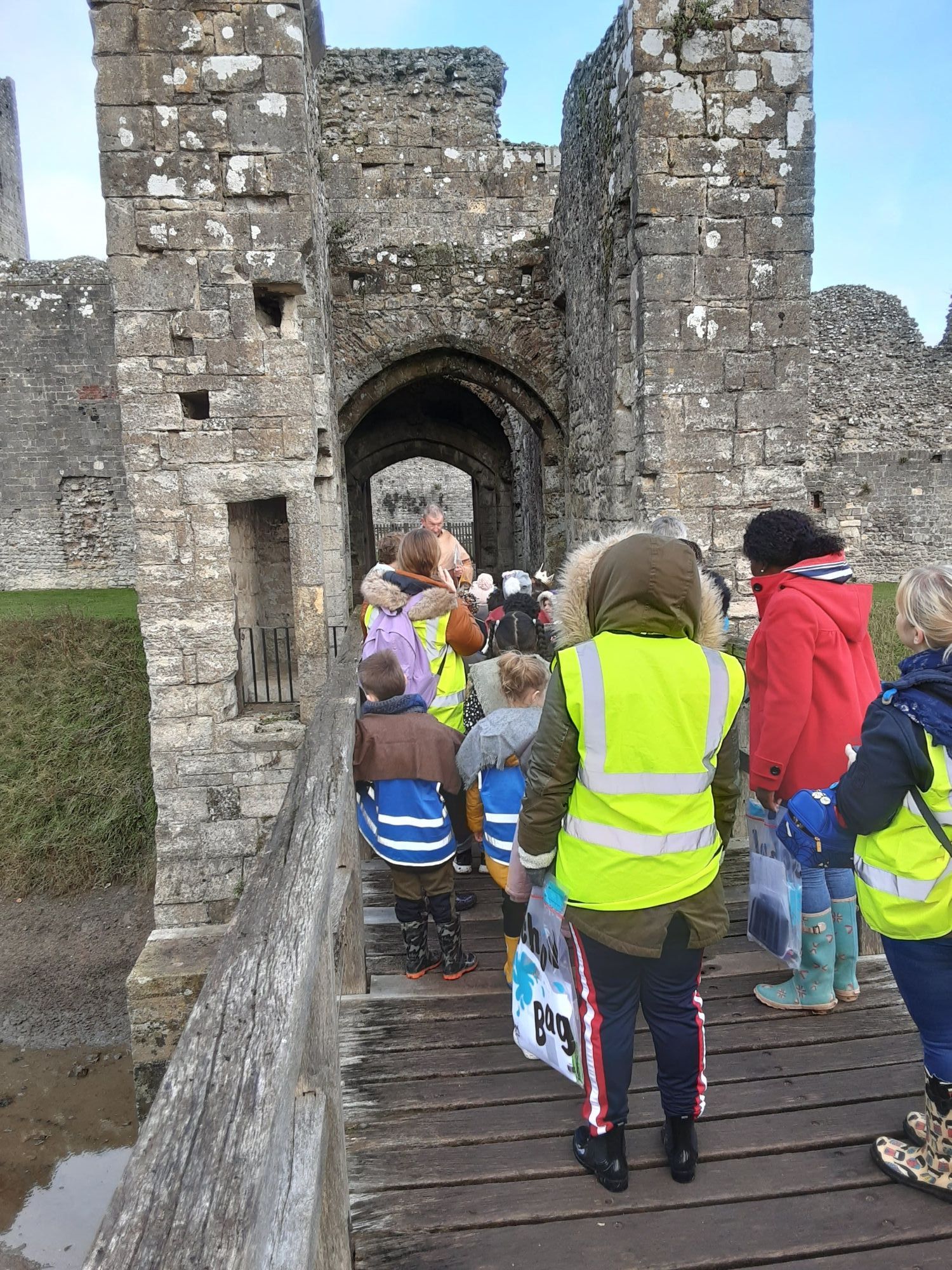
History is taught through engaging weekly lessons that include stories, discussion, investigations and creative activities. Lessons build on what children already know and help them make links between topics. Teachers use well-planned resources so learning is accessible for all children, including those who need extra support. History is sometimes linked with Geography and local studies to make learning meaningful and relevant. This approach encourages Creativity(learning in different ways), Openness (connecting ideas) and Adventure (discovering the past through exciting activities).
Impact: What do children gain?
Children leave History lessons with a strong understanding of key events, people and time periods. They can talk confidently about the past, explain changes over time and think carefully about evidence. Teachers regularly check understanding to make sure learning is remembered and built upon. By the time children leave school, they are curious, reflective learners who enjoy history and feel proud of what they know. This reflects our values of Excellence (high standards), Openness (respect for different perspectives) and Creativity (expressing ideas clearly and thoughtfully).


