Intent: What are we aiming for?
Our Geography curriculum aims to inspire children to be curious about the world and think like geographers. Pupils learn about different places, people and environments — from their local area to far-away continents — building knowledge about how the world works and how places are connected. They develop skills to ask questions, observe, measure and present information, becoming confident at understanding both physical landscapes and human communities. This approach reflects our school values: Openness (encouraging questioning and discussion), Adventure(exploring global and local environments), Creativity (thinking in different ways) and Excellence (high-quality understanding of the world).
Implementation: How is Geography taught?
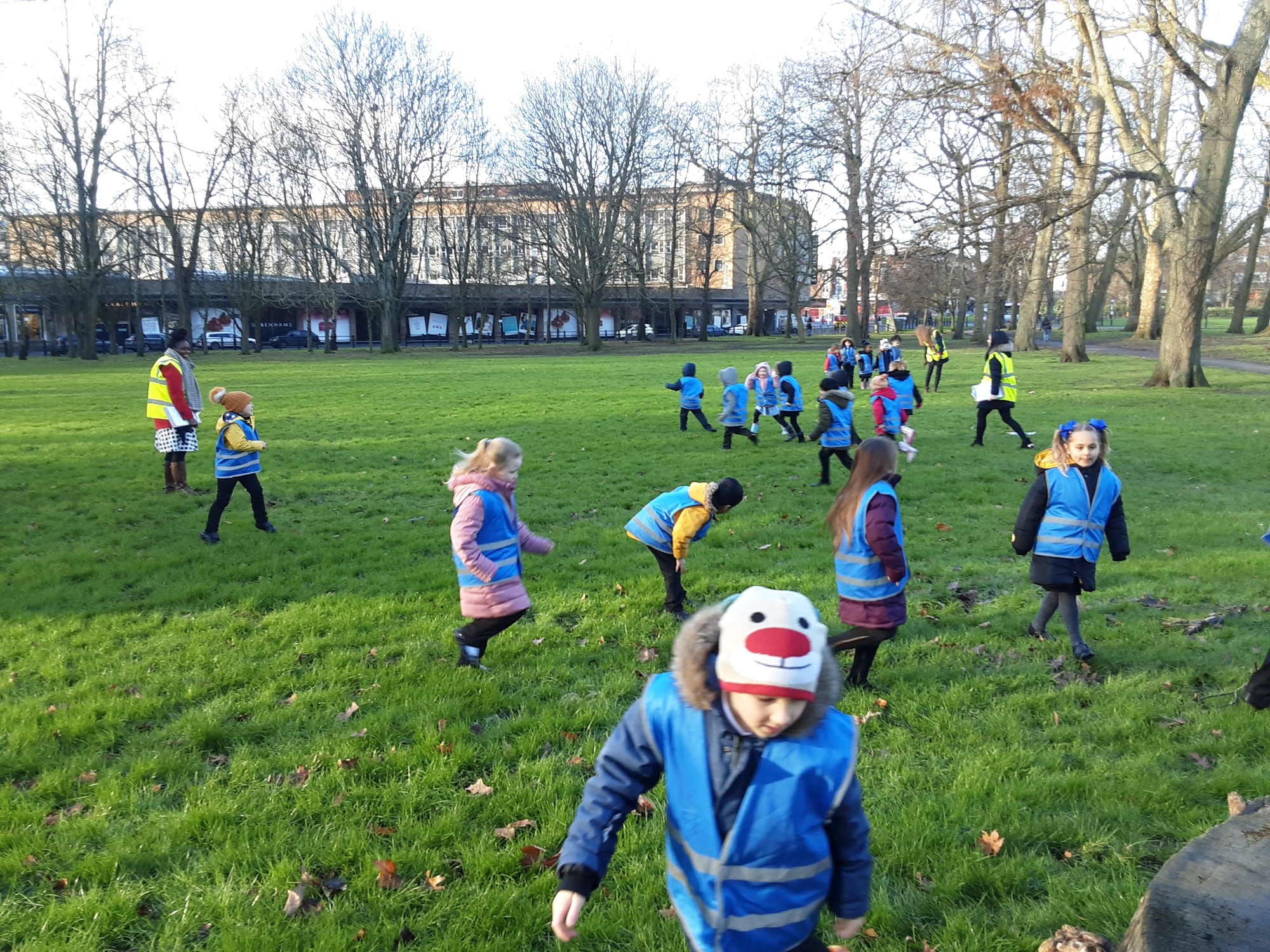
Geography is usually taught for about one hour per week, alternating half-termly with History lessons. Lessons follow a clear, step-by-step structure that helps pupils build knowledge and skills over time. Children learn through engaging activities like map work, fieldwork, investigations and discussions. Teachers use well-planned resources, including videos and visual supports, to make learning accessible for all pupils. Children revisit important ideas regularly so they remember more and build on previous learning. This hands-on approach supports Creativity (interactive investigations), Openness(exploring multiple perspectives), and Adventure (discovering new places and ideas) while maintaining Excellence in learning and skill development.
Impact: What do children gain?
By the end of their primary journey, pupils develop a strong understanding of key geographical knowledge and skills. They can describe places, explain human and physical features, use maps and data, and discuss global issues like climate and sustainability. Teachers assess learning through regular recall activities, quizzes and projects so progress is clear over time. Children also build confidence in explaining what they’ve learned, showing they can think critically about the world around them. This outcome supports Excellence (deep subject knowledge), Openness (valuing different viewpoints), Creativity (presenting learning in varied ways), and Adventure (confidence to explore new ideas).


